
CFA® Exam Week Checklist: A Quick Reminder for Level I and Level II Candidates

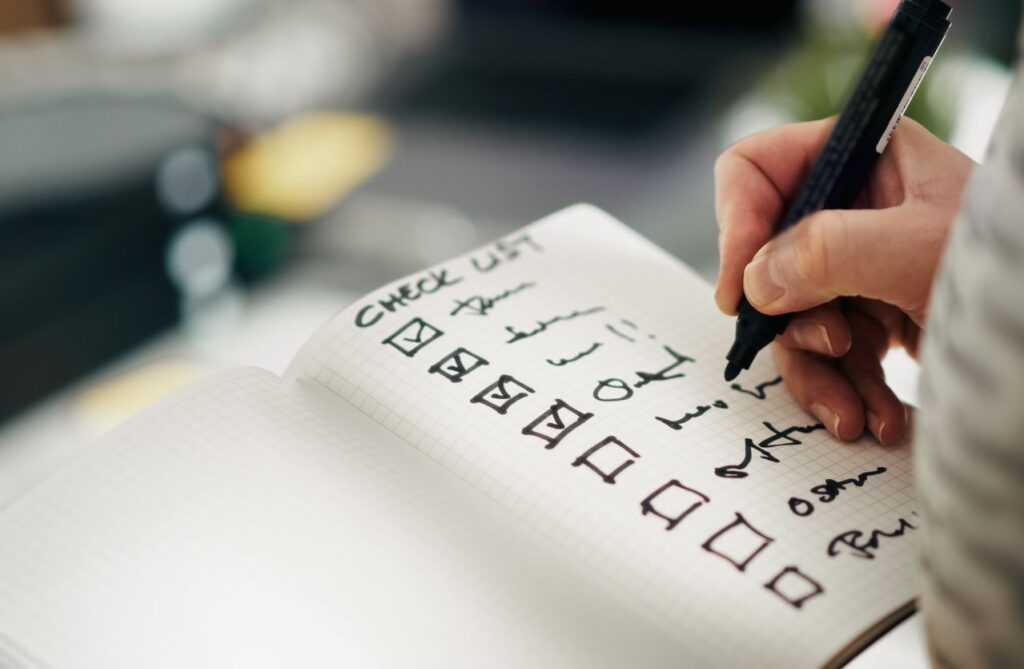
Exam week is finally here. After months of preparation, the last thing you want is unnecessary stress on exam day because you forgot an essential item or misjudged your journey to the test centre.
This quick checklist covers what to bring, when to arrive, and how to use the final days wisely. It applies to both Level I and Level II candidates.
What to Bring: Your Passport and an Approved Calculator
At a minimum, two things must be in your bag. The first is a valid international travel passport. The name on your passport must match the name in your CFA Institute account exactly, including spelling and the order of names. A mismatch can mean you are not admitted, so check this before exam day rather than at the check-in desk.
The second is an approved calculator. CFA Institute permits only two families of calculator: the Texas Instruments BA II Plus (including the BA II Plus Professional) and the Hewlett Packard 12C. Using a calculator that is not on the approved list can put your exam at risk, and you cannot borrow one from the test centre or another candidate. If you have a spare approved calculator or fresh batteries, check the current CFA Institute policy to confirm what you are allowed to take into the testing room.
Arrive Early and Plan Your Route
CFA Institute advises candidates to arrive at least 30 minutes before their scheduled appointment time, and late arrivals may be refused admission. Do not leave this to chance.
Check your appointment details in your CFA Institute account, work out your route in advance, and allow extra time for traffic, public transport delays, and finding the entrance. If you can, travel to the test centre before exam day so there are no surprises on the morning itself.
Review the Test Centre Rules One Final Time
The exam is computer-based and delivered at proctored test centres, and strict rules apply to personal belongings, identification, and conduct in the room. Most personal items are stored in a locker rather than kept with you, and the centre provides the writing materials you are allowed to use.
Take ten minutes to read the current CFA Institute exam day guide and personal belongings policy for your window. Policies can be updated, so rely on the official pages rather than memory or advice from a previous sitting.
Exam Week Is Not for Learning New Material
For both Level I and Level II candidates, this week is no longer about learning new topics. Trying to cover unfamiliar material now usually creates anxiety without adding marks.
Instead, use the time to consolidate. Skim your formula sheet and your list of frequently missed concepts, and attempt a small number of timed practice questions to keep your pace sharp. Keep sessions short and stop early enough to rest.
Protect Your Sleep and Your Focus
Rest matters more than one extra hour of revision. Going into the exam tired affects concentration, memory, and decision making, which are exactly what the exam tests. Aim for a normal, consistent sleep routine all week, eat properly, and avoid last-minute late nights.
On the night before, prepare everything in advance: passport, calculator, appointment details, and clothing. A calm morning starts with a prepared evening.
Level I and Level II: Slightly Different Challenges on the Day
Level I candidates face 180 standalone multiple-choice questions across two sessions, so pace is the main discipline. Aim for roughly 90 seconds per question, and move on quickly when a question is taking too long.
Level II candidates work through vignette-based item sets, so reading efficiently and filtering relevant data is just as important as knowing the content. Decide quickly whether to work through a difficult vignette now or return to it later, and protect your time across the full exam.
Stay Calm and Trust Your Preparation
A clear mind and proper preparation can make a significant difference to your performance. Even strong candidates meet questions they cannot answer immediately. Eliminate the clearly wrong options, make your best decision, and keep moving. One hard question should never cost you several easier ones later.
Good luck to everyone sitting the CFA® exam this week. Stay focused, trust the work you have already put in, and give it your best.
Preparing for a Future Sitting?
If you are planning ahead for the next exam window, Wale-Kesh Learning, as a CFA® Institute Prep Provider, offers expert-led preparation through in-person classes in London, live online sessions, and self-paced learning. Visit drwalekesh.com to find the format that suits you.
Frequently Asked Questions
What do I need to bring to the CFA® exam?
At a minimum, bring a valid international travel passport that matches your CFA Institute account name exactly, and an approved calculator. Check your appointment details and the current test centre rules before you leave.
Which calculators are approved for the CFA® exam?
Only the Texas Instruments BA II Plus (including the BA II Plus Professional) and the Hewlett Packard 12C are approved. You cannot borrow a calculator at the test centre.
How early should I arrive at the CFA® test centre?
CFA Institute advises arriving at least 30 minutes before your scheduled appointment time. Arriving late may mean you are refused admission.
Should I study new topics during CFA® exam week?
No. Exam week is for revision, light timed practice, and rest. Focus on consolidating what you already know rather than learning unfamiliar material.
How can I stay calm during the CFA® exam?
Prepare logistics the night before, sleep well, and manage your time per question. If you hit a difficult question, eliminate wrong options, make your best choice, and move on.
Always confirm current requirements on the official CFA Institute website. Wale-Kesh Learning is an official CFA® Institute Prep Provider offering expert-led CFA® examination preparation in London and online.